Catch Burnout Before It Catches You
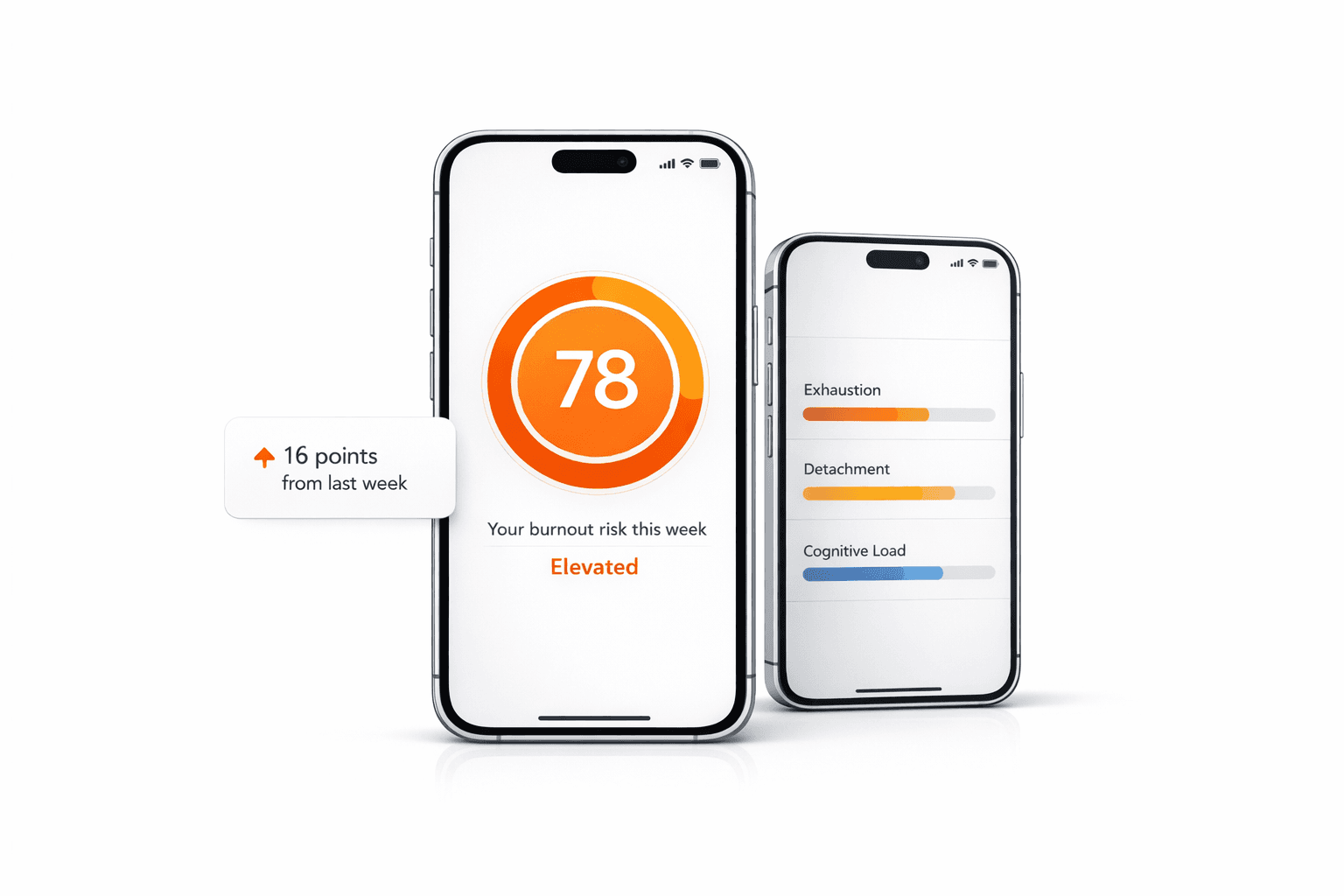
Weekly 2-minute check-ins that track what you can't see: emotional exhaustion, cognitive overload, and recovery debt. Know your risk score. Act before you crash.

2-5 minute guided sessions for life’s real moments. Before meetings. After tough calls. Morning energy. Evening wind-down. Fresh content twice a week, tailored to how you use it.

Early access opens May 2026. Founding members get preferred pricing. No credit card required. Unsubscribe anytime.

Based on the Maslach Burnout Inventory *

Harvard · Stanford · Yale · UC Berkeley

Burnout Doesn't Happen Overnight. It Happens While You're "Fine."

You don’t have 20 minutes.
You have 2.

Irritability. Brain fog. Sunday dread. You notice them — then ignore them.
You power through because that's what high performers do.
By the time burnout is obvious, you've already lost months of your best work. And your best life.
Your Weekly Burnout Score

Your Weekly Burnout Score

Your Weekly Burnout Score

A 2-minute check-in based on the Maslach Burnout Inventory, the same assessment used by researchers at Yale and Stanford. Track three dimensions: emotional exhaustion, detachment, and cognitive load. See your risk trend over time, not just a single snapshot.

A 2-minute check-in based on the Maslach Burnout Inventory, the same assessment used by researchers at Yale and Stanford. Track three dimensions: emotional exhaustion, detachment, and cognitive load. See your risk trend over time, not just a single snapshot.

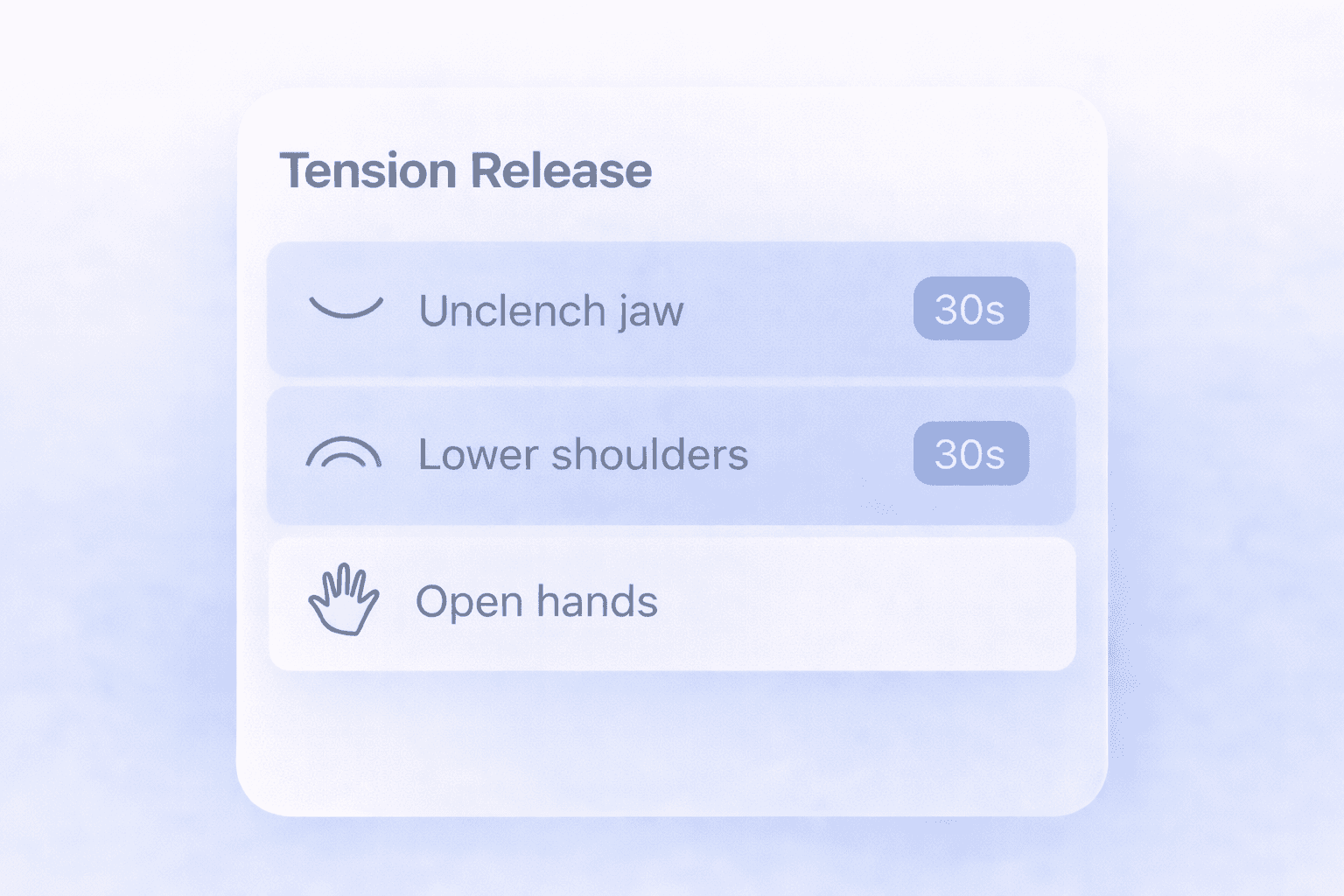
When Your Score Spikes, You Get Tools – Not Lectures

When Your Score Spikes, You Get Tools – Not Lectures

When Your Score Spikes, You Get Tools – Not Lectures

Elevated risk triggers targeted micro-exercises: box breathing, tension release, focus resets. 2-4 minutes. No fluff. Science-backed interventions matched to your state.

Elevated risk triggers targeted micro-exercises: box breathing, tension release, focus resets. 2-4 minutes. No fluff. Science-backed interventions matched to your state.

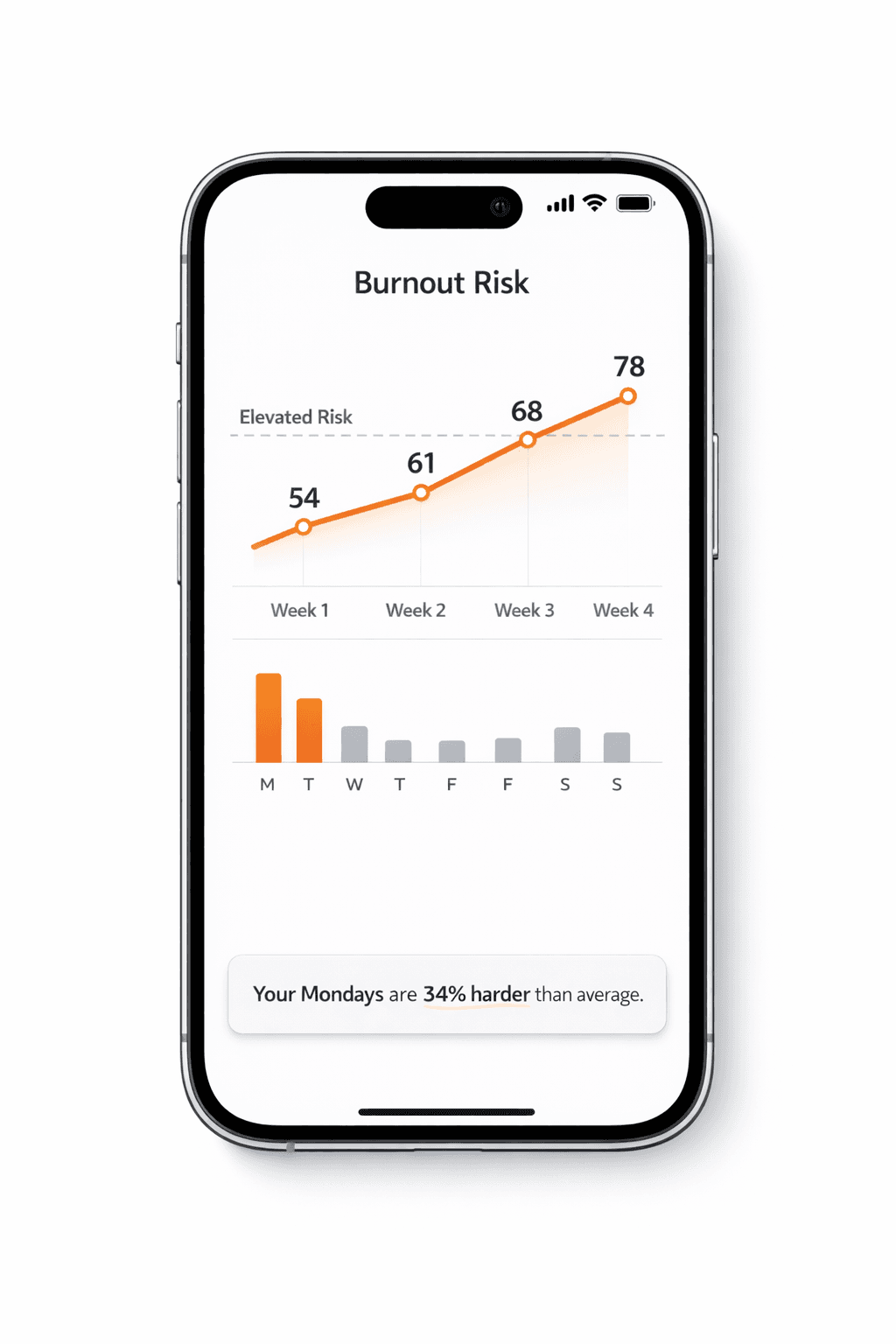
See Your Patterns. Change Your Patterns.

See Your Patterns. Change Your Patterns.

See Your Patterns. Change Your Patterns.

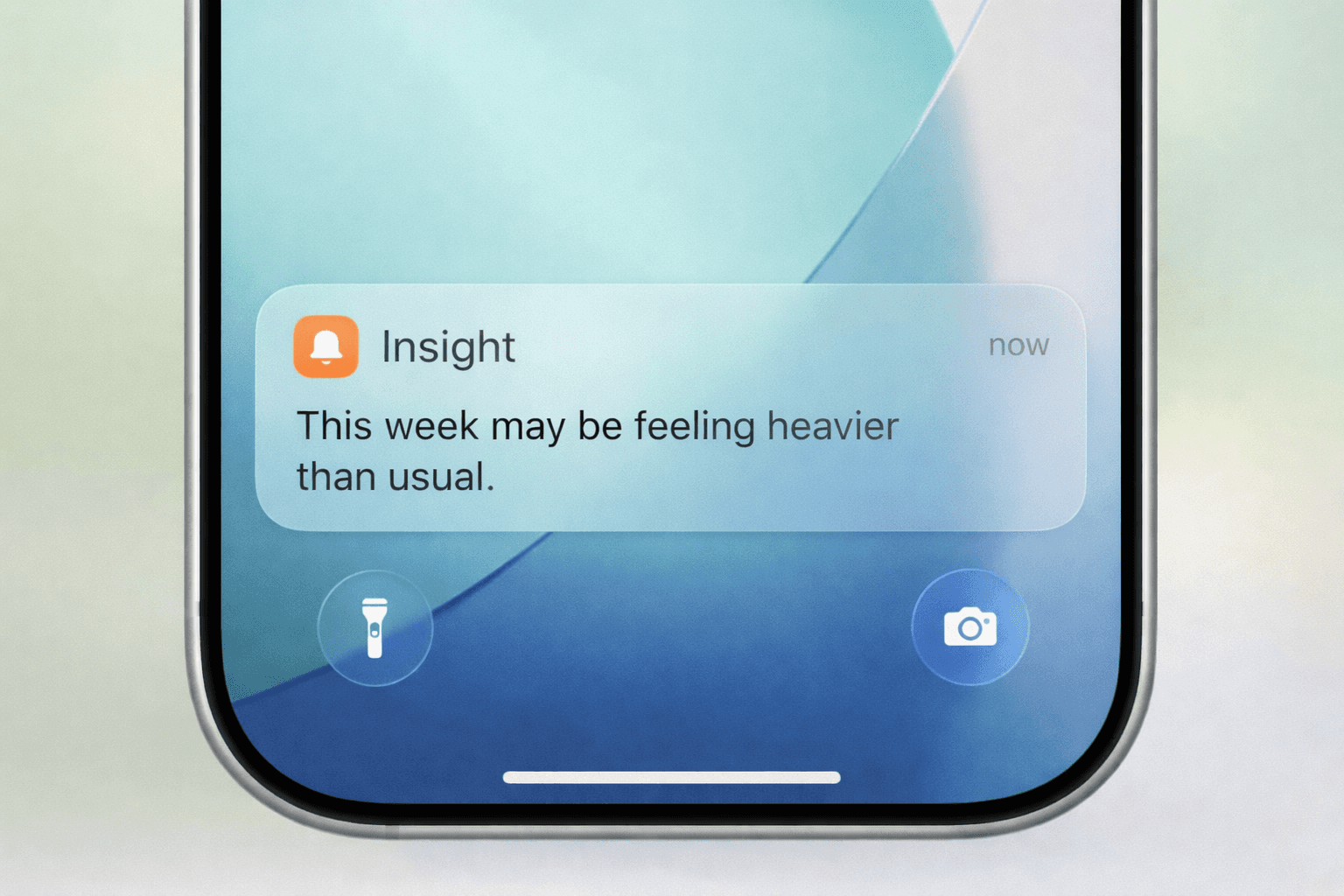
Which days are hardest? When do you recover – and when don't you? Burnout Shield shows you the data so you can make changes before your body forces them on you.
Sound familiar?

Sound familiar?


I burned out after two years of pushing through. Recovery took six months.

Tech co-founder

I saw my score climbing three weeks straight. First time I actually stopped before I crashed.

ER physician

Panic attacks forced a change. I wish I'd seen it coming.

Corporate law partner

"I burned out twice before I built what I wish I'd had." — Eugene

Know Your Risk Before Everyone Else

Know Your Risk Before Everyone Else

Know Your Risk Before Everyone Else

Founding member access opens May 2026.Early supporters lock in preferred pricing for life.

Founding member access opens May 2026.Early supporters lock in preferred pricing for life.

No credit card required. Unsubscribe anytime.

How accurate is the burnout score?

The check-in is based on the Maslach Burnout Inventory, the most validated burnout assessment in occupational psychology. We've adapted it for weekly tracking so you catch trends early.

How long do the exercises take?

2-4 minutes. Designed for people with demanding schedules.

Can I use this during my workday?

Absolutely. That's the point. Quick resets you can do at your desk, between meetings, or wherever you are.

How often do I need to use it?

Weekly check-ins keep you aware of your stress levels. Quick resets whenever you need them. That's it.

What happens when my score is high?

You'll get a clear alert with context on which dimension spiked (exhaustion, detachment, or overload) — plus a matched micro-exercise if you want immediate relief.

Is this a replacement for therapy?

No. Burnout Shield is an early warning system, not treatment. If your scores indicate clinical-level burnout, we'll encourage you to seek professional support.

*Harvard:4 Steps to Beating Burnout” details early detection of exhaustion patterns.

Stanford: Brief Structured Respiration Practices Enhance Mood” validates 2-4 minute breathing resets.

Yale: Maslach Burnout Inventory research on cognitive overload and recovery tracking.

See it coming. Do something about it.

Based on the Maslach Burnout Inventory *

Harvard · Stanford · Yale · UC Berkeley